Top 10 Places to Visit in Catalonia: Cities & Hidden Gems
Catalonia is much bigger than the picture many visitors have in their heads. Barcelona is the headline act, of course, and it has earned every bit of the attention. But beyond the city, the region opens up into golden beaches, Roman ruins, medieval villages, volcanic landscapes, and fishing towns that often get left off the usual tourist route.
Spend more than a few days here and you start to see Barcelona differently. It’s not the whole story it’s just one chapter of a much bigger one.
This guide takes you through ten of the best places to visit in Catalonia, mixing famous destinations with places that deserve a little more attention. We’ll start on the coast in Salou, a Costa Daurada town that’s become a popular base for exploring this part of Spain, then travel outward toward historic cities, medieval villages, mountains, and the quieter corners of the region.
1. Salou
Why Visit Salou?
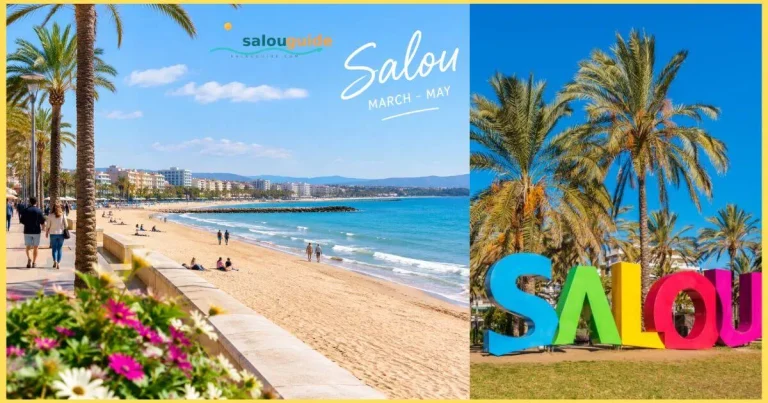
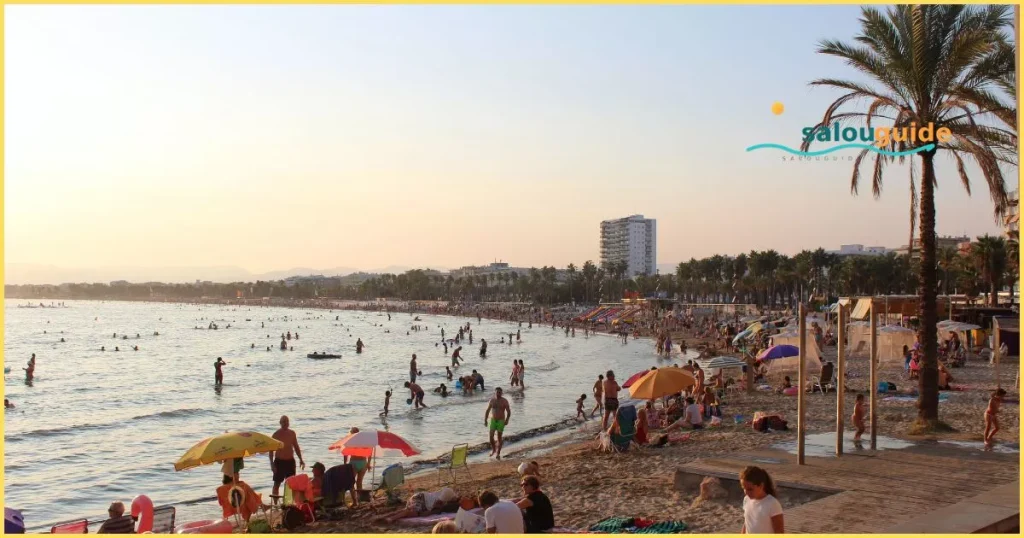
Salou sits along the Costa Daurada, with long sandy beaches, a relaxed Mediterranean atmosphere, and plenty to keep different kinds of travelers busy. Families, couples, and first-time visitors can all find something here without the city ever feeling too overwhelming.
It’s smaller and easier to explore than Barcelona, but it still has plenty of energy, particularly in the evening when the promenade comes alive.
Best Things to Do in Salou
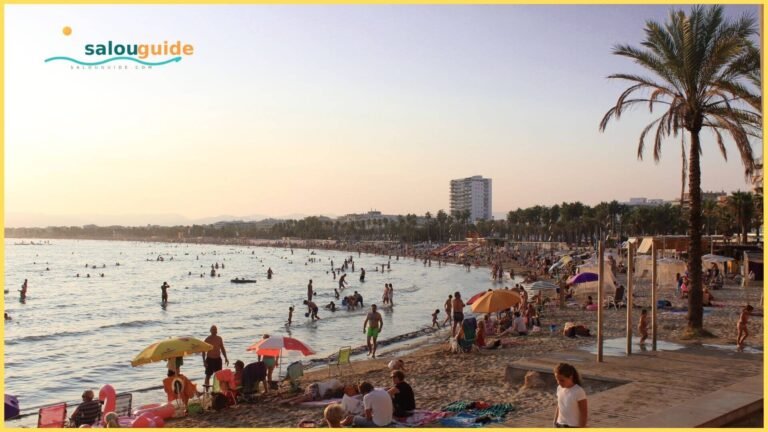
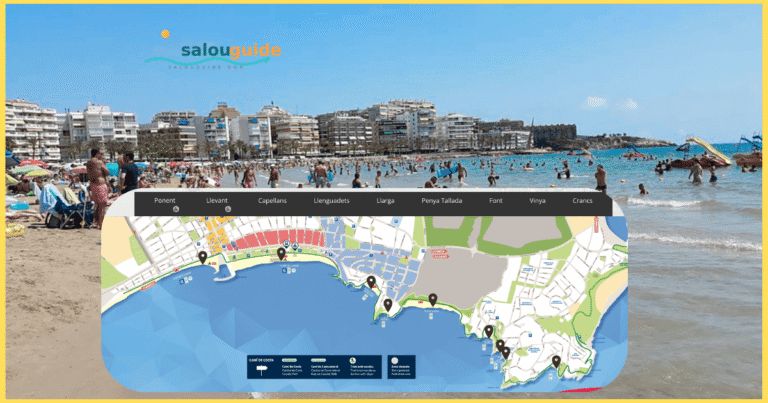
Llevant Beach is the central and liveliest option, with restaurants, shops, and the main promenade close by. Ponent Beach has a calmer, more family-friendly feel, while Llarga Beach gives you a little more space away from the busiest stretch.
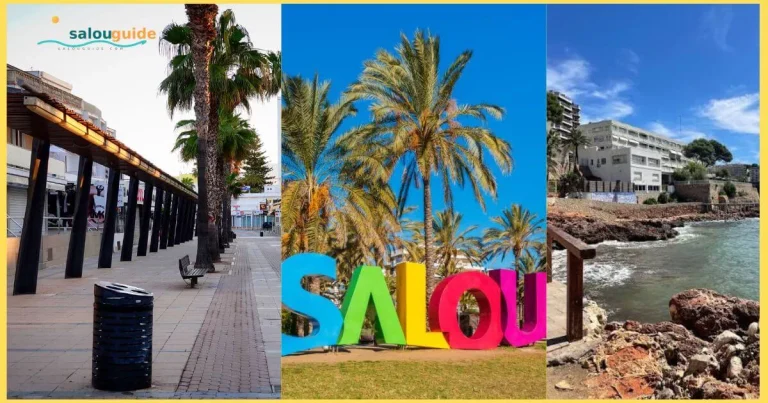
For something quieter, head toward Cala Font or Cala Crancs, where the coastline feels more natural and peaceful.
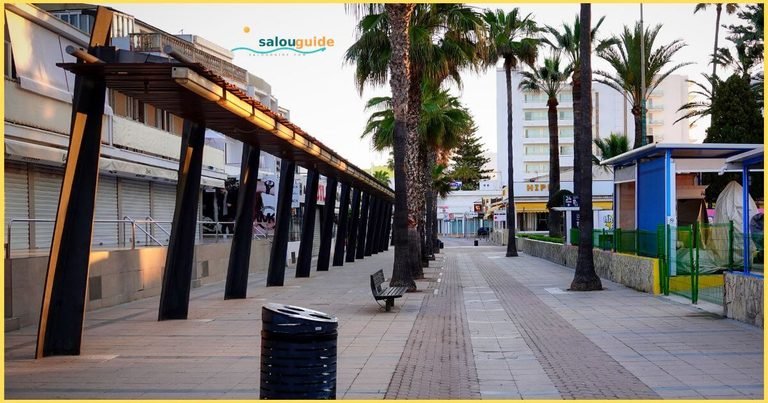
Start your walk along Passeig Jaume I, the palm-lined seafront promenade, then follow the Camí de Ronda for a different view of Salou. The coastal path takes you past cliffs, small coves, and pine-covered sections where the Mediterranean opens up in front of you.
In the evening, the Font Lluminosa is worth seeing when the fountain is illuminated. And if theme parks are part of your plans, PortAventura World is nearby. Give it a full day, though — it’s far more than a quick stop.
Is Salou Worth Visiting?
Yes, especially if you want more than a simple beach holiday. Salou is also a convenient base for visiting Tarragona, Reus, and Cambrils, giving you beaches, food, attractions, and easy day trips from one location.
That combination is a big part of its appeal for travelers exploring more of Catalonia.
Best Time to Visit Salou
Late spring, early summer, and September offer a good balance of warm weather and more manageable crowds. August brings the strongest combination of summer heat and tourist numbers, so travelers looking for a quieter experience may prefer the shoulder months.
2. Barcelona
Why Visit Barcelona?
Barcelona has earned its reputation. Gaudí’s architecture gives the city a character that’s difficult to find anywhere else, while the Gothic Quarter reveals narrow medieval streets just a few steps away from busy modern avenues.
Then there’s the Mediterranean, sitting right beside the city, along with a huge choice of restaurants, neighborhoods, museums, nightlife, and cultural attractions.
Barcelona can keep you busy from morning until well after sunset.
Must-See Places in Barcelona
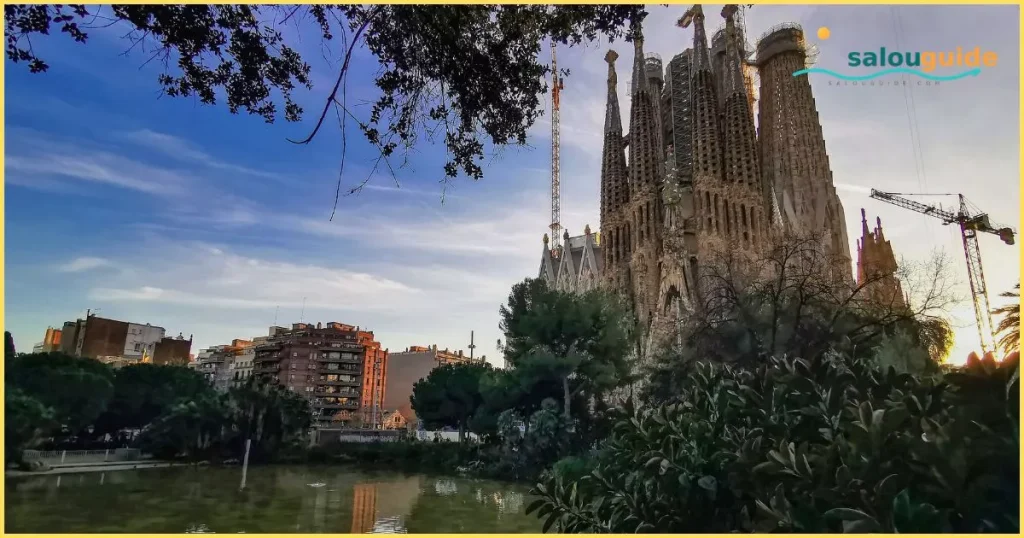
The Sagrada Família is the obvious landmark, rising above the city with its unusual towers and constantly evolving story. Park Güell offers another glimpse into Gaudí’s imagination, along with wide views across Barcelona.
The Gothic Quarter is best explored slowly, without worrying too much about following a perfect route. Casa Batlló is worth seeing for its striking exterior, while Barceloneta gives you a chance to reach the beach without leaving the city.
How Many Days Do You Need in Barcelona?
One day is enough to see some of the major highlights if you’re willing to move quickly. With two or three days, however, you can slow down, explore different neighborhoods, spend more time inside the main attractions, and actually sit down for a proper meal without constantly checking the clock.
3. Tarragona
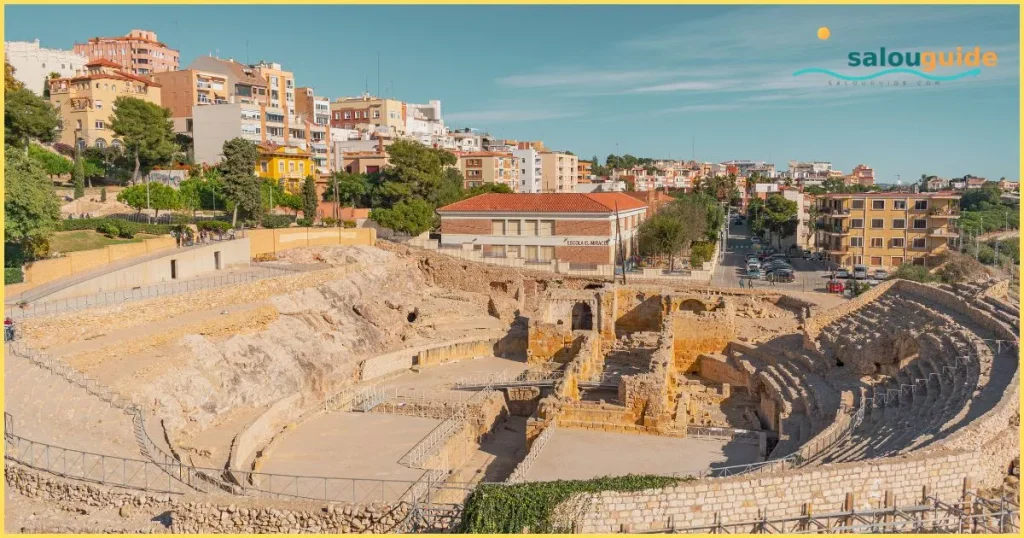
Why Tarragona Is Worth Visiting
Tarragona offers something quite different from Barcelona. The city was once the capital of Roman Hispania, and traces of that past are still woven into everyday life.
Roman walls stand alongside modern buildings, ancient ruins appear between ordinary streets, and the Mediterranean is never far away. Add the atmospheric old town, and Tarragona becomes a place where history and modern Catalan life sit comfortably side by side.
Top Places to See in Tarragona
The Roman Amphitheatre, sitting above the Mediterranean, is Tarragona’s most recognizable historical sight. Nearby, the Roman Circus reveals another layer of the city’s ancient past, including impressive underground passageways beneath the modern streets.
At the top of the old town, Tarragona Cathedral brings together Romanesque and Gothic architecture. The Balcó del Mediterrani offers wide views toward the sea, while Part Alta, the historic center, is perfect for wandering through narrow streets and finding a quiet square or café along the way.
Tarragona or Barcelona for a Short Trip?
It’s not really a matter of choosing which one is better. They simply offer different experiences.
Tarragona is a better fit for travelers drawn to Roman history, the Mediterranean, and a slower city atmosphere. Barcelona offers a much larger urban experience, with more neighborhoods, landmarks, nightlife, museums, and things to fill your days.
If your itinerary allows it, both are worth experiencing. Together, they show two very different sides of Catalonia.
4. Girona
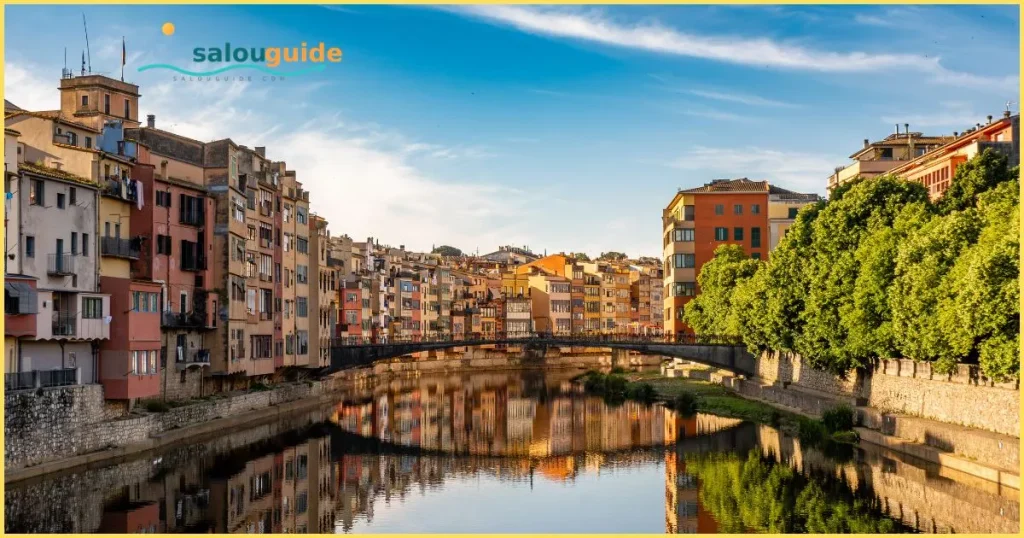
Why Visit Girona?
Girona’s old town is one of the best-preserved medieval centers in Catalonia, and its riverfront houses — stacked in bright colors along the Onyar — are instantly recognizable, even if you’ve never been. It’s compact, atmospheric, and easy to fall for within an hour of arriving.
Best Things to See in Girona
Girona Cathedral rises above the old town, known for its exceptionally wide Gothic nave. The Jewish Quarter (Call Jueu) is a beautiful maze of narrow stone streets and one of the best-preserved historic Jewish quarters in Europe.
For a different perspective, walk along the city walls, where you can look across the old rooftops and surrounding landscape. Along the Onyar River, the colorful houses create one of Girona’s most recognizable views. And when you need a slower moment, Plaça de la Independència is a pleasant place to sit with a coffee and watch everyday Girona unfold.
Is Girona Good for a Day Trip?
Absolutely. Girona is compact and easy to explore on foot, making it particularly appealing to travelers interested in history and architecture. It also works naturally as a day trip from Barcelona or as one stop on a longer Catalonia itinerary.
5. Sitges
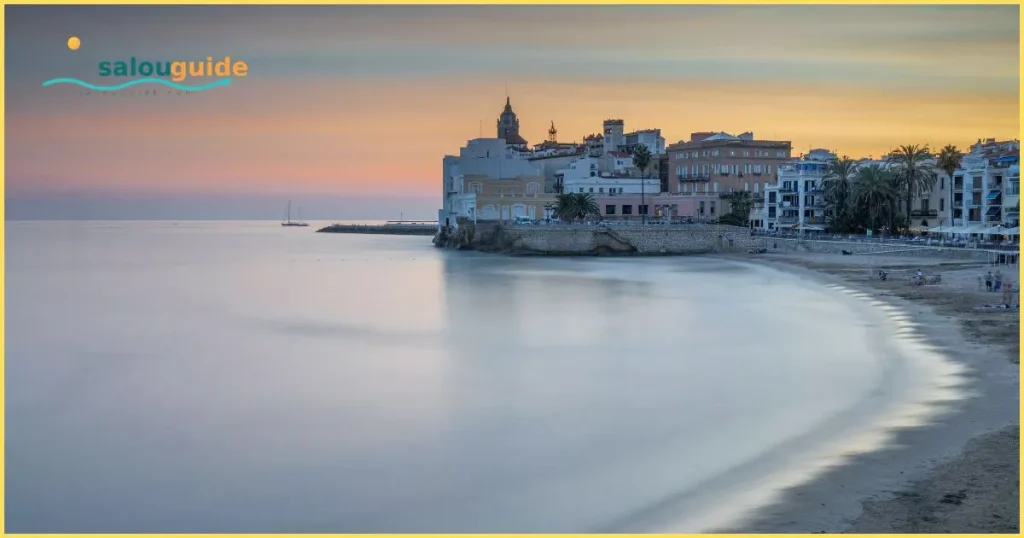
Why Visit Sitges?
Sitges has a personality all its own. It’s part beach town, part artistic escape, with a relaxed and slightly bohemian atmosphere running through its streets.
It’s close enough to Barcelona for an easy day trip, but once you arrive, it feels distinctly different from the big city.
Things to Do in Sitges
Start by wandering through the old town, where whitewashed streets and small lanes invite you to explore without much of a plan.
The Church of Sant Bartomeu i Santa Tecla is the town’s most recognizable landmark, standing dramatically above the sea. From there, follow the waterfront promenade for a relaxed walk and explore the local beaches when the weather is right.
Sitges also has several small museums and cultural spaces, making it a useful destination when the weather turns cloudy or rainy.
Best Time to Visit Sitges
Spring, early summer, and September offer a good balance of pleasant weather and manageable crowds. Summer is livelier and busier, while the shoulder seasons give the town a quieter rhythm.
6. Cadaqués
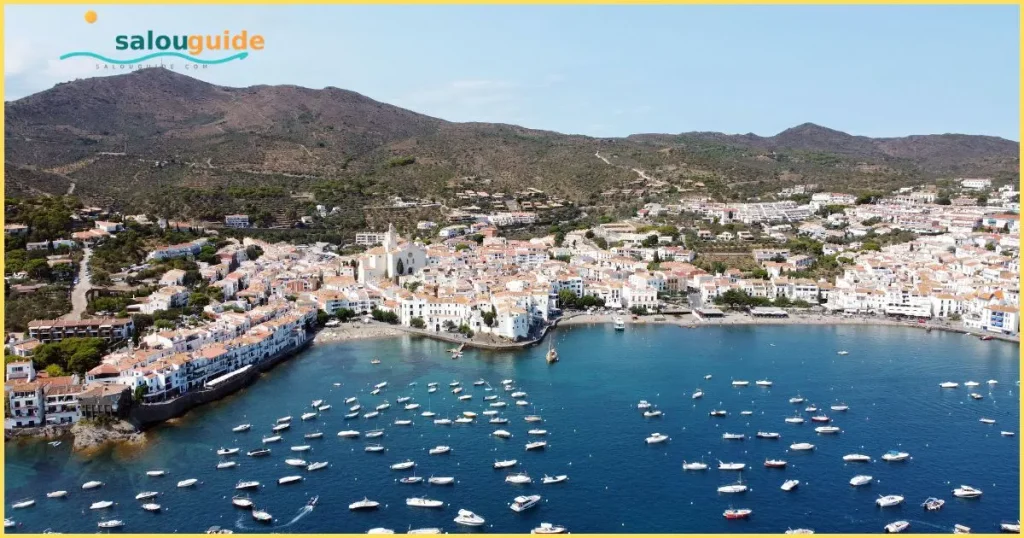
Why Cadaqués Feels Special
Whitewashed houses climb the hills above a rocky Mediterranean coastline, giving Cadaqués a look that feels almost removed from the rest of Spain.
Part of its appeal comes from its setting, but there’s also a strong artistic connection. Salvador Dalí lived nearby for many years, leaving a lasting mark on the character and identity of the area.
Things to Do in Cadaqués
Spend some time wandering the old town’s steep, narrow streets before heading down toward the waterfront. The sea is never far away, and simply walking along the coast is one of the pleasures of being here.
A short trip to Portlligat takes you to Dalí’s former home, while other Dalí-related sites can be found around the surrounding area.
For walkers, the coastal paths offer some of the most dramatic scenery in this part of Catalonia.
Is Cadaqués Worth the Journey?
Yes, especially if you enjoy slower travel.
Cadaqués is more of a destination than a quick stop. Getting there takes time, but that distance is part of what gives the town its character. It’s best suited to travelers who would rather spend a little longer in one beautiful place than rush through several destinations in a single day.
7. Besalú
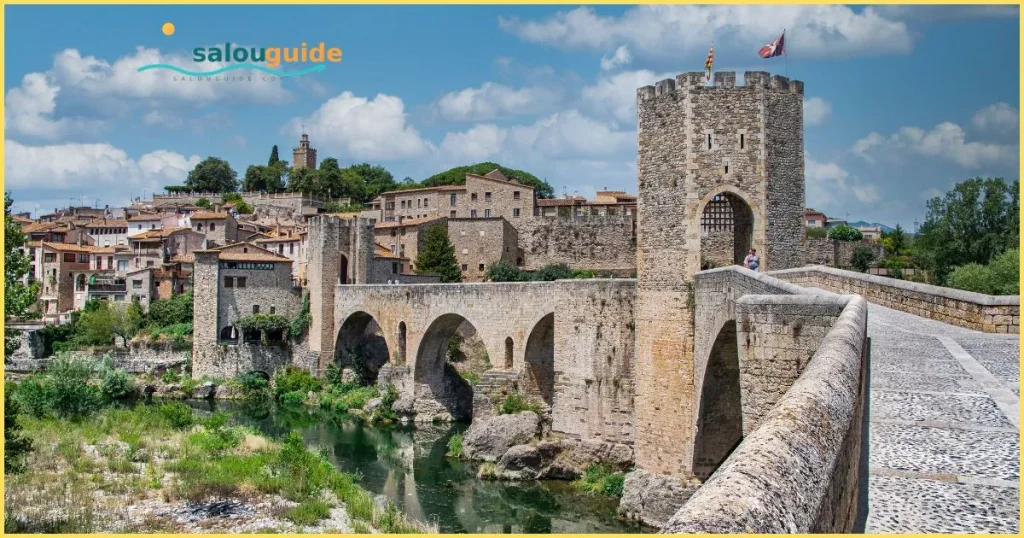
Why Visit Besalú?
Besalú is small, but its medieval character is hard to miss. Stone streets, historic buildings, and the dramatic bridge over the river give the town an almost storybook atmosphere.
It’s also generally quieter than Catalonia’s bigger tourist destinations, which makes it especially enjoyable for travelers who prefer places where you can wander without constantly moving through crowds.
What to See in Besalú
The medieval bridge over the Fluvià River is the town’s most recognizable landmark and one of the first things you’ll notice when arriving.
From there, explore the compact old town on foot. Besalú also has an important Jewish heritage, including an old mikveh, as well as historic churches and other medieval buildings scattered through its streets.
How to Visit Besalú
Besalú works well as part of a wider trip around northern Catalonia. You can combine it with Girona or include it in a route through the Garrotxa region.
On its own, a few hours may be enough to see the main sights. Combined with nearby destinations, however, it can easily become a rewarding half-day or full-day stop.
8. Cambrils
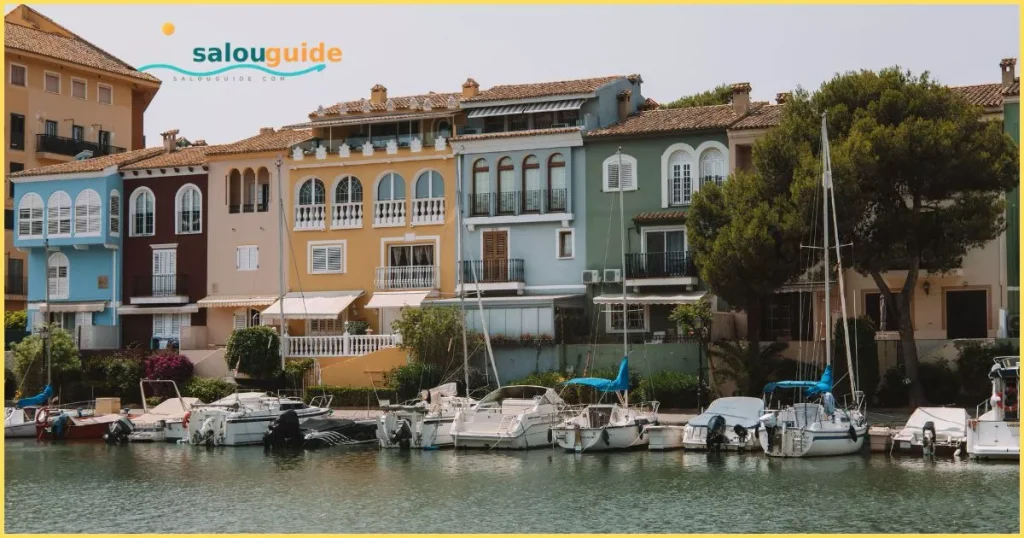
Why Visit Cambrils?
Just south of Salou, Cambrils moves at a gentler pace. Its identity is closely tied to the sea, fishing, and food, making it a natural choice for travelers who want a quieter Costa Daurada experience.
It’s still a coastal resort, but the atmosphere feels more relaxed, with less emphasis on nightlife and more on enjoying the waterfront and local cuisine.
Best Things to Do in Cambrils
The beaches are generally relaxed and provide an easy place to spend a few hours by the Mediterranean. The marina is pleasant for an evening stroll, while the old fishing areas give you a glimpse of the town’s maritime roots.
The seafront promenade is made for slow walks, especially around sunset. And then there’s the food. Fresh seafood and local Mediterranean dishes are a major part of the Cambrils experience.
Salou vs Cambrils
The two towns are close, but they offer slightly different experiences.
Salou has more attractions, entertainment, and nightlife, while Cambrils has a quieter atmosphere and a stronger focus on food and the sea.
There’s no need to choose one and ignore the other, either. Their proximity makes it easy to visit both during a Costa Daurada trip.
9. Montserrat

Why Visit Montserrat?
The jagged peaks of Montserrat rise dramatically above the landscape near Barcelona. The unusual rock formations alone are worth seeing, but the monastery built into the mountain gives the area an added sense of history and atmosphere.
It’s one of the easiest ways to escape the city and experience genuine mountain scenery without traveling too far.
Things to Do in Montserrat
Visit the monastery and see the revered Black Madonna, then spend some time exploring the viewpoints around the mountain.
Several hiking routes offer different levels of difficulty, from relatively easy walks to more demanding trails. For the journey itself, the cable car or rack railway can be part of the experience, with impressive views as you climb toward the mountain.
Is Montserrat a Good Day Trip?
Yes. Montserrat works particularly well as a day trip from Barcelona because it combines two very different experiences in one place.
You can spend part of the day exploring the monastery and learning about its history, then head onto the trails for mountain views and fresh air.
10. La Garrotxa
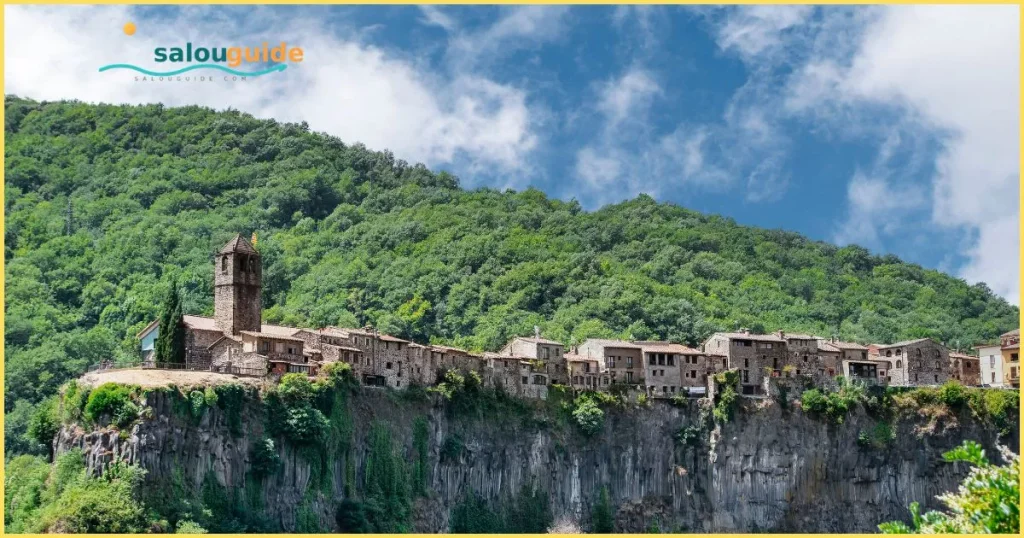
Why Visit La Garrotxa?
La Garrotxa feels far removed from the image of sunny beaches and busy coastal resorts.
This is volcanic Catalonia — a landscape of forested trails, dormant volcanic cones, old lava flows, and small rural villages. It’s quieter than many of the region’s better-known destinations and offers a completely different side of Catalonia.
Best Places to Explore
Olot is a natural base for exploring the area and is also known for its modernist architecture.
Nearby, Santa Pau is a beautifully preserved medieval village that’s worth exploring slowly, especially if you enjoy old stone streets and quiet squares.
The Volcanic Zone Natural Park protects the region’s volcanic landscape, with trails leading through forests and around old volcanic cones and craters.
Then there’s Fageda d’en Jordà, a remarkable beech forest that grew across an ancient lava flow. Walking beneath the trees here feels completely different from the Mediterranean landscapes farther south.
La Garrotxa is a reminder that Catalonia isn’t just beaches and famous cities. Beyond the coast, another landscape is waiting — greener, quieter, and shaped by volcanoes rather than the sea.
Why La Garrotxa Is a Great Hidden Gem
It’s about as un-urban as Catalonia gets, genuinely nature-focused, and a strong pick for travelers who want a completely different experience from the coast and the cities.
Which Place in Catalonia Should You Visit?
Rather than ranking these all over again, here’s a quicker way to match a destination to what you actually want out of the trip.
| Travel Style | Suggested Destination |
|---|---|
| Beaches & family activities | Salou |
| Architecture & culture | Barcelona |
| Roman history | Tarragona |
| Medieval atmosphere | Girona |
| Beach + art | Sitges |
| Quiet coastal escape | Cadaqués |
| Medieval villages | Besalú |
| Food & relaxed beaches | Cambrils |
| Mountains & history | Montserrat |
| Nature & hiking | La Garrotxa |
Best Time to Visit Catalonia
Spring
Mild temperatures, blooming countryside, and comfortable conditions for walking-heavy days in both the cities and the coastal towns.
Summer
The warmest, busiest stretch of the year, and the obvious choice if beaches and festival energy are the priority — just expect higher prices and bigger crowds, especially in July and August.
Autumn
September in particular holds onto summer warmth while the crowds thin out considerably, making it one of the best all-round windows for a Catalonia trip.
Winter
Quieter and cooler, but a good season for city-focused trips, museums, and — if you head up toward the Pyrenees — some winter mountain activities too.
How to Travel Around Catalonia
Traveling by Train
Catalonia’s regional rail network connects Barcelona with most major destinations — Tarragona, Girona, Sitges, and beyond — making trains a genuinely easy, low-stress way to get around without a car.
Buses Between Coastal Towns
For shorter hops along the coast, particularly between smaller towns not always well served by rail, local buses fill in the gaps and tend to be cheap and reasonably frequent.
Renting a Car for Smaller Villages
Places like Besalú, Santa Pau, and other Garrotxa villages are much easier to reach with your own car, since public transport options thin out considerably once you’re off the main routes.
Using Barcelona as a Base
Barcelona’s size and transport connections make it a practical home base for day trips to Girona, Sitges, and Montserrat, though basing yourself on the coast — in Salou, say — works just as well if beaches are more central to your plans.
How Many Days Do You Need to Explore Catalonia?
How long you need in Catalonia depends on how much of the region you want to experience. A short trip can give you a taste of the coast, while a longer stay lets you connect beaches, cities, mountains, and medieval towns without constantly watching the clock.
3 Days in Catalonia
Three days is enough for a simple coastal escape. Base yourself in Salou, spend time on the beaches, walk along the Camí de Ronda, and leave a day for Tarragona or another nearby destination.
5 Days in Catalonia
With five days, you can start mixing different sides of Catalonia. Combine time on the coast with Barcelona, giving yourself enough space for both beach days and proper city sightseeing.
7 Days in Catalonia
A week allows for a more balanced itinerary. You can combine the coast, Barcelona, and a historic city such as Girona, creating a trip that moves from Mediterranean beaches to medieval streets without feeling too rushed.
10 Days or More
Ten days or longer gives you much more breathing room. A route such as Salou → Tarragona → Barcelona → Girona → Costa Brava can work well, with enough time to slow down and enjoy each stop instead of simply collecting places from a list.
A Simple Catalonia Itinerary for First-Time Visitors
If it’s your first time in Catalonia, this seven-day route gives you a little bit of everything — beaches, Roman history, Barcelona, medieval streets, and mountain scenery.
Days 1–2: Salou
Start on the Costa Daurada in Salou. Spend your first days settling in, enjoying the beaches, walking the Camí de Ronda, and getting used to the relaxed Mediterranean pace.
Salou also makes a convenient base for exploring nearby places, so you don’t have to pack your bags every time you want to see something different.
Day 3: Tarragona
Take a short trip to Tarragona and step into its Roman past. Explore the ancient ruins, wander through the old town, and finish with Mediterranean views from the Balcó del Mediterrani.
It’s an easy change of scenery from the beach, and you can still return to the coast later in the day.
Days 4–5: Barcelona
Give Barcelona two days rather than trying to squeeze the city into a few rushed hours. Visit Gaudí’s landmarks, wander through the Gothic Quarter, explore the city’s streets, and leave some time simply to enjoy the atmosphere.
There is plenty to see, but you don’t need to turn the city into a checklist.
Day 6: Girona
Head north for a day in Girona, where medieval streets, the cathedral, old stone buildings, and colorful riverside houses create a completely different atmosphere from Barcelona.
It’s the kind of place where wandering without a strict plan can be part of the experience.
Day 7: Costa Brava or Montserrat
For your final day, choose the landscape that appeals to you most.
Head toward the Costa Brava for another taste of the Catalan coast, perhaps continuing toward places such as Cadaqués, or choose Montserrat for mountain scenery and a very different side of the region.
Both make a memorable way to finish a first trip to Catalonia.
Golden beaches, Roman ruins, medieval streets, mountain landscapes, fishing towns, Catalan food, and a lively capital city Catalonia packs an impressive amount of variety into one region.
And while Barcelona may be the place that first brings many visitors here, it is only one part of the story.
If you’re looking for an easy starting point, Salou can work particularly well. It puts you on the Costa Daurada, close to Tarragona, Reus, and Cambrils, with beaches, coastal walks, and plenty of day-trip options nearby.
From there, Catalonia opens up in every direction. You can move from the Mediterranean coast to Roman ruins, from busy city streets to quiet medieval villages, or from the beach to the mountains — often without traveling as far as you might expect.
That’s part of what makes Catalonia such an enjoyable place to explore. You don’t have to choose between a city trip and a beach holiday. With a little planning, you can have both, along with plenty of places in between.